A 16-part investigation into the architecture, census records, wartime survival, and residents of Cranworth Gardens.
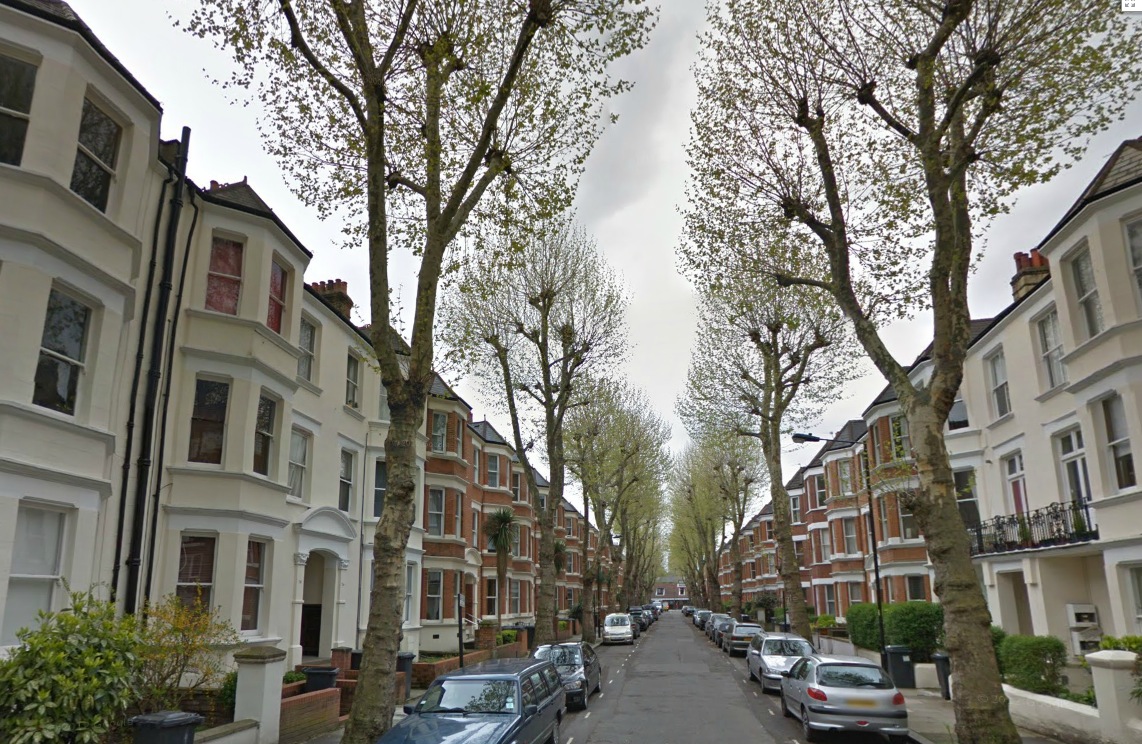
Where Is It, When Was It Built & Why the Name?
The location, dates, and origins of the name Cranworth Gardens
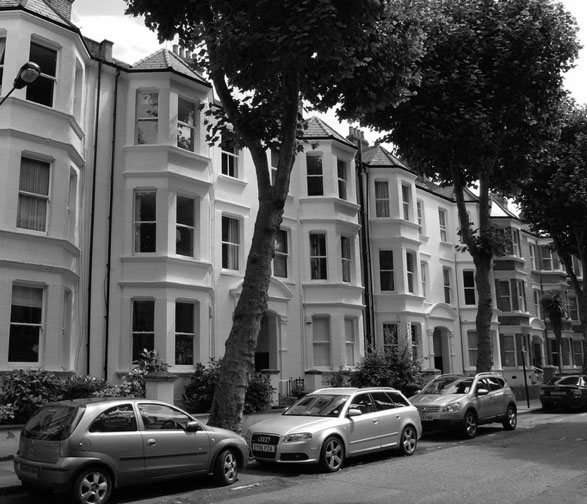
Why Was It Built & What Was There Before?
The estates and gardens that stood on the site before the 1890s

The Building of the Street
How the mansion blocks were constructed at the end of the 19th century
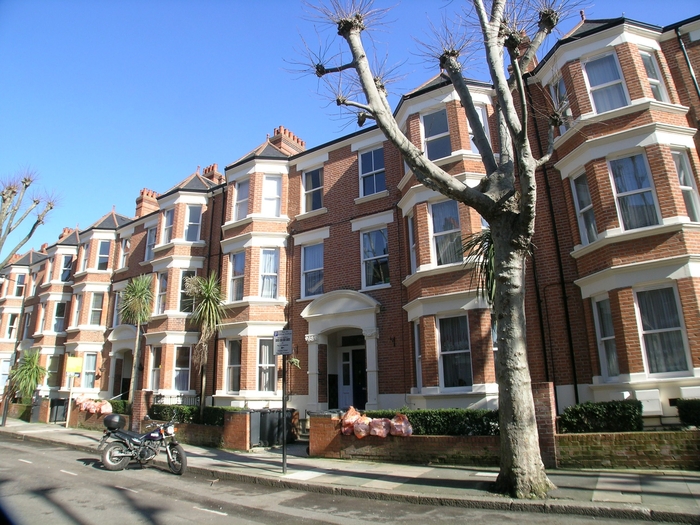
Architecture and Layout
Inside the late-Victorian mansion flats and their architectural details
What Number Was Your Flat?
A complete conversion guide to the street re-numbering

Who Were the First Tenants? (1901 Census)
Meet the very first families recorded in Cranworth Gardens in 1901

The 1901 Census in Statistics
Ages, birthplaces, household sizes, and servants in 1901
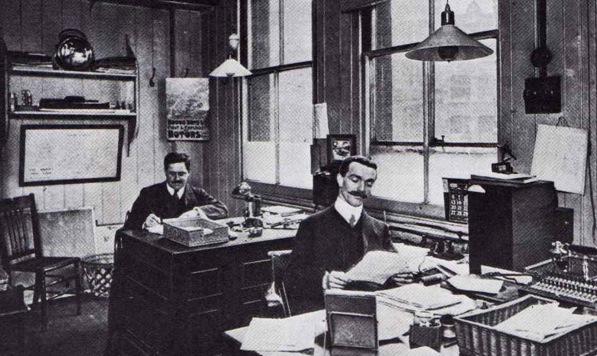
What Did the First Tenants Do for a Living?
A full directory of occupations and professions in 1901
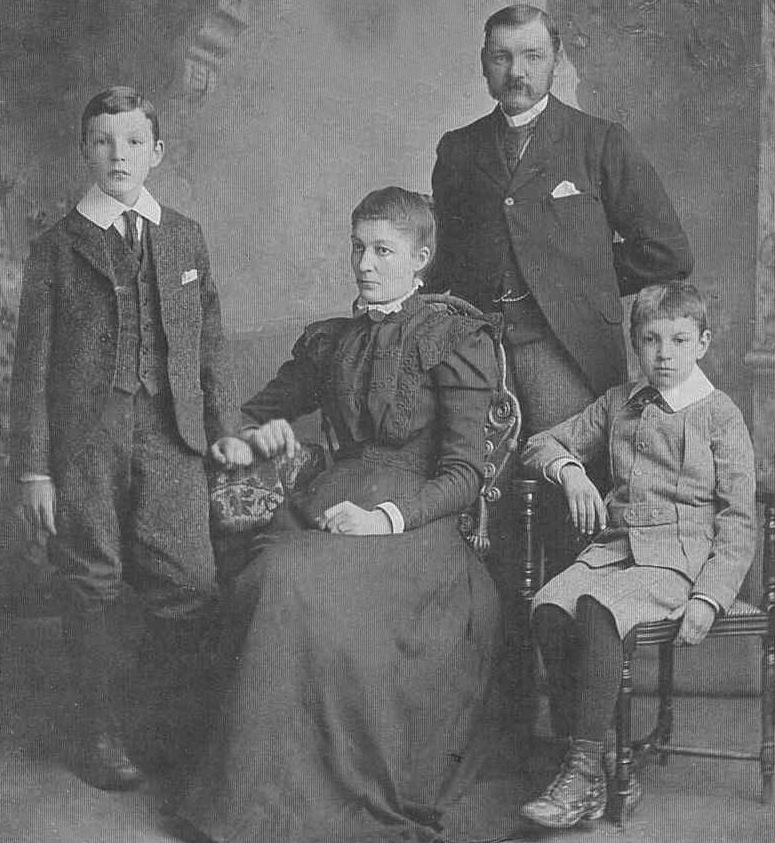
Who Lived in Your Flat? (1911 Census)
Interactive flat-by-flat guide to every household in 1911

The 1911 Census in Statistics
How the street’s population and households changed by 1911
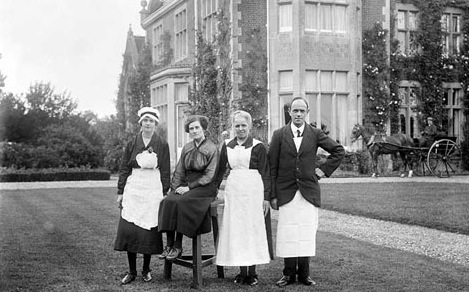
The Professions of Cranworth Gardens in 1911
From music hall performers to clerks, teachers, and engineers
The Killing of Lily Othen
The tragic 1923 manslaughter case at Cranworth Gardens

The Murder of “Cock-Eyed Maisie”
The 1933 murder investigation in Cranworth Gardens
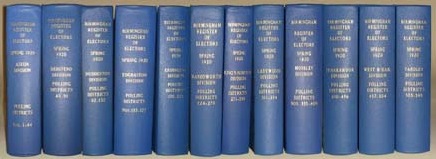
Electoral Registers (1921 to 1964)
Trace residents across four decades of electoral rolls
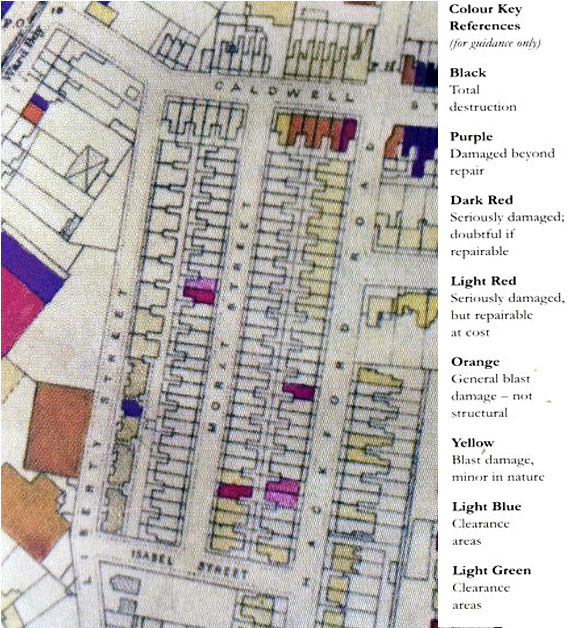
Cranworth Gardens in World War II
Wartime bomb incidents and damage around the street

Who Lived in Your Flat in 1939?
Flat-by-flat records from the 1939 Register on the eve of WWII